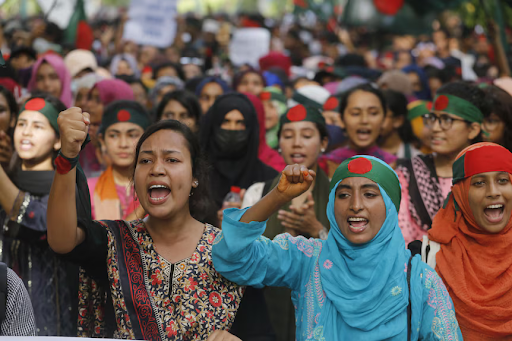
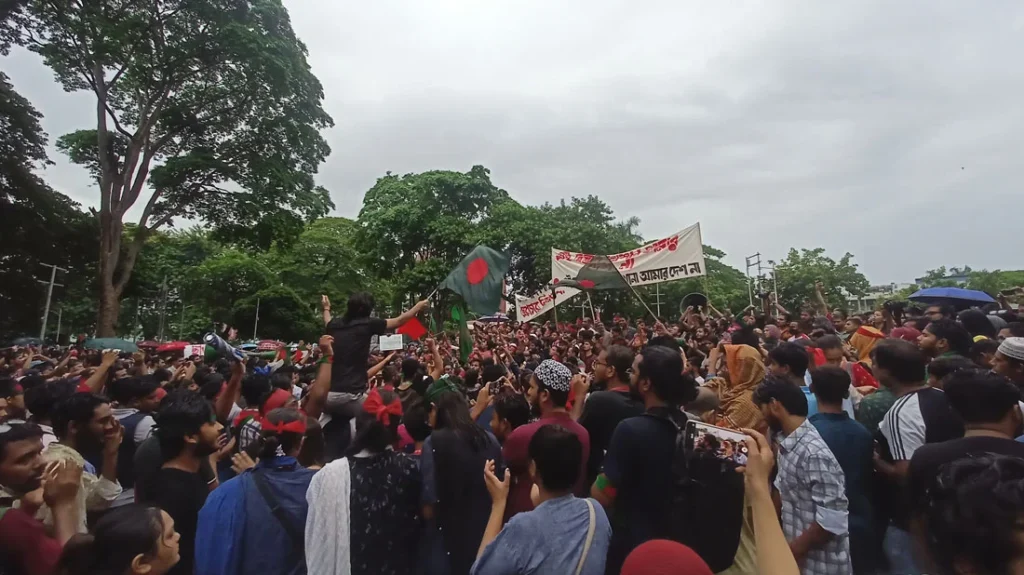
Anti-quota students from Dhaka University blocked Shahbagh intersection, waving national flags and chanting slogans on 7 July (Sunday), demanding the abolition of the quota system in government jobs. Photo: Rajib Dhar/TBS
The July movement sparked with promises for a Bangladesh without discrimination and throughout July, organizing, mass mobilization and descent were all tied to this idea. People came together to face the state head on and eventually the ousting concluded yet another student-led uprising in the country. In fact, Badruddin Umar, a Marxist intellectual, political analyst, and activist told reporters that the July movement had faced more repression than what went on in the country’s 1969 uprising. The spontaneous participation of the masses beyond a particular alliance paid a push-back to the government step down eventually.
However, as the nation faced a power vacuum after 5th August, several minority communities were attacked, their homes looted and many were murdered leaving women and children of their families vulnerable to further violence. Some of these were a direct result of affiliation with Awami League and some were termed as communal conflicts by the media. The outcome of the ousting saw rampant discrimination, majoritarian hatred and non-cooperation from the law enforcement in the following months.
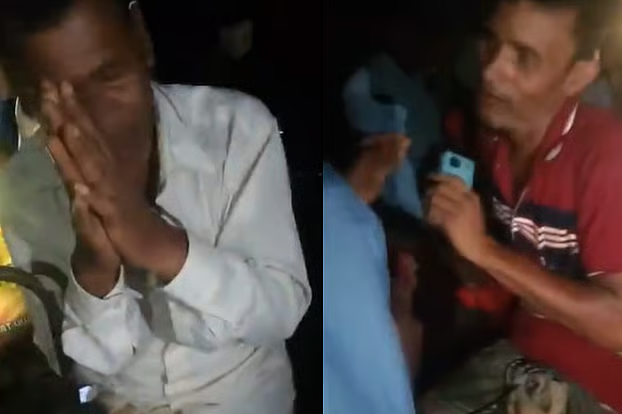
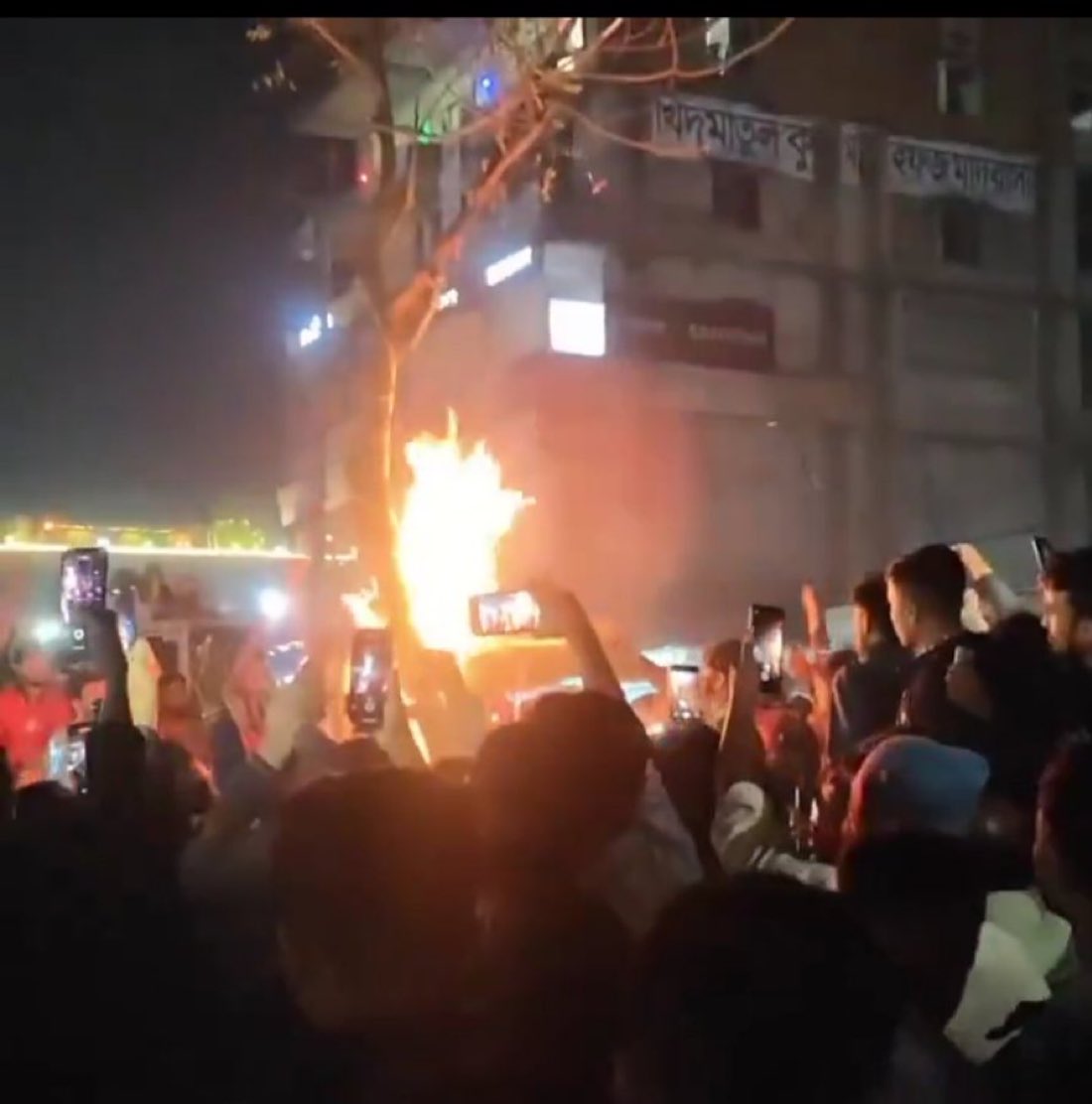
The Bangladesh Hindu Buddhist Christian Oikya Parishad reported at least 2,000 incidents of attacks took place between 5th and 20th August according to this Daily Star report and 9 were killed. At least 69 places of worship, 915 houses, and 953 business establishments were vandalised, set ablaze, or looted, the organisation said. Another 21 business establishments were captured, and 38 people were physically tortured. During this time and after, various Indian media spread misinformation with exaggerated statistics of these attacks on Hindu community members portraying false narrative about the persecution of minorities in Bangladesh according to this Al Jazeera report.
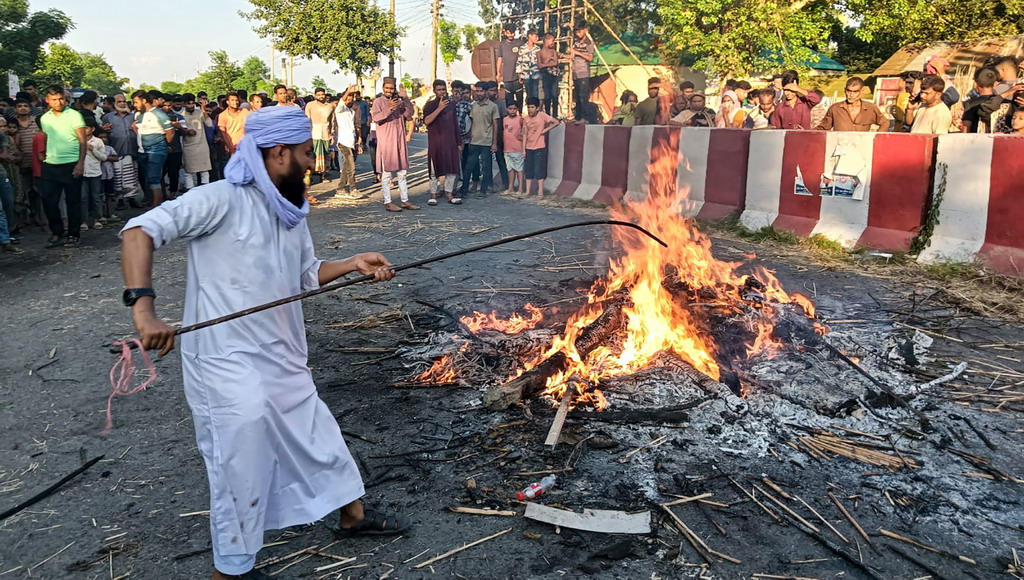
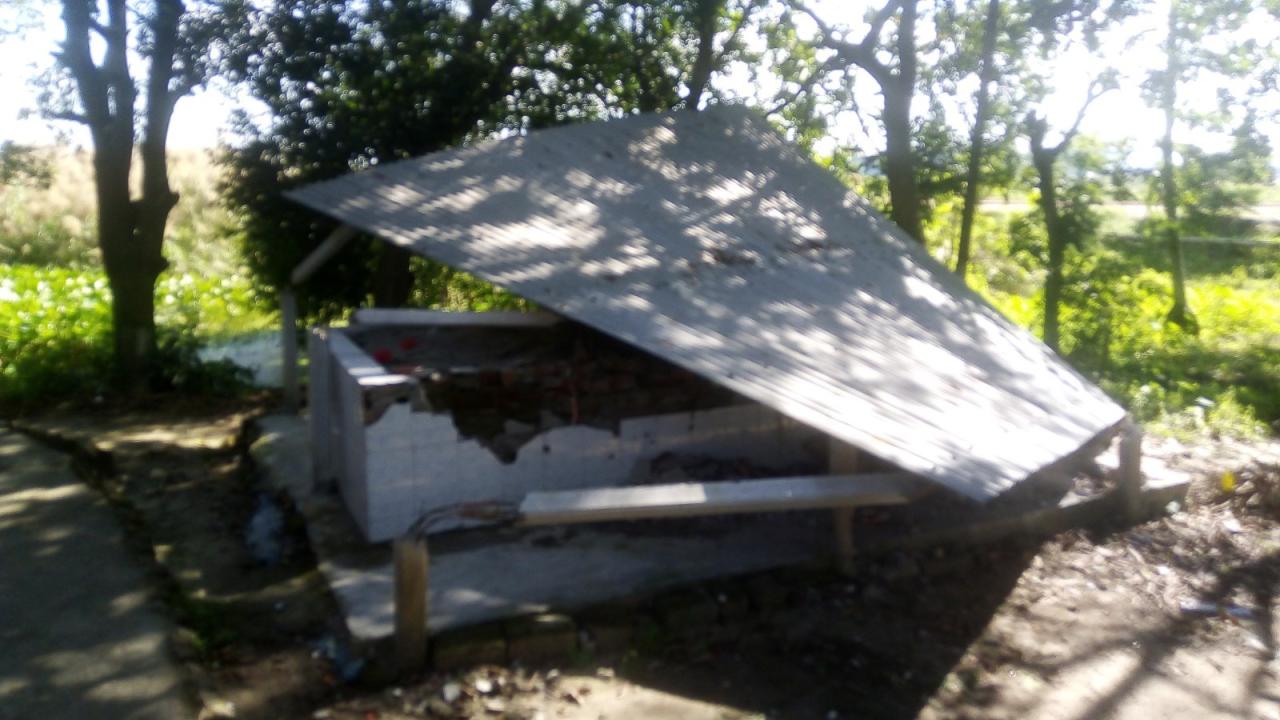
By 15th July 2025, when news reports came out where police stated that they had found no evidence of communal tension, only individual acts of aggression, many more incidents of violence took place, not only on the Hindu community but also on Christian churches and syncretic Islamic believers and their holy sites.
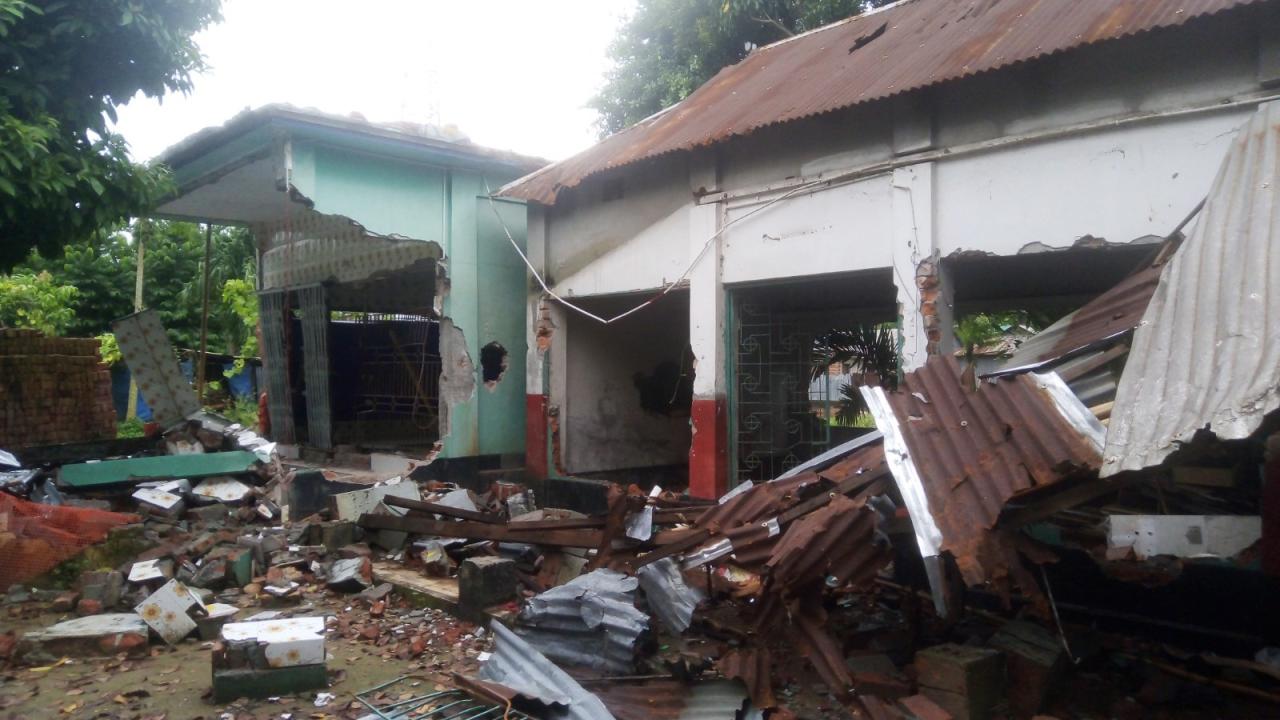
According to this report by the Daily Star published on 3rd February 2026, only 11 cases filed over 97 shrine attacks since Aug ‘24 pointing to severe discrimination against the mazar communities and indifference on the part of the state and its law enforcement.
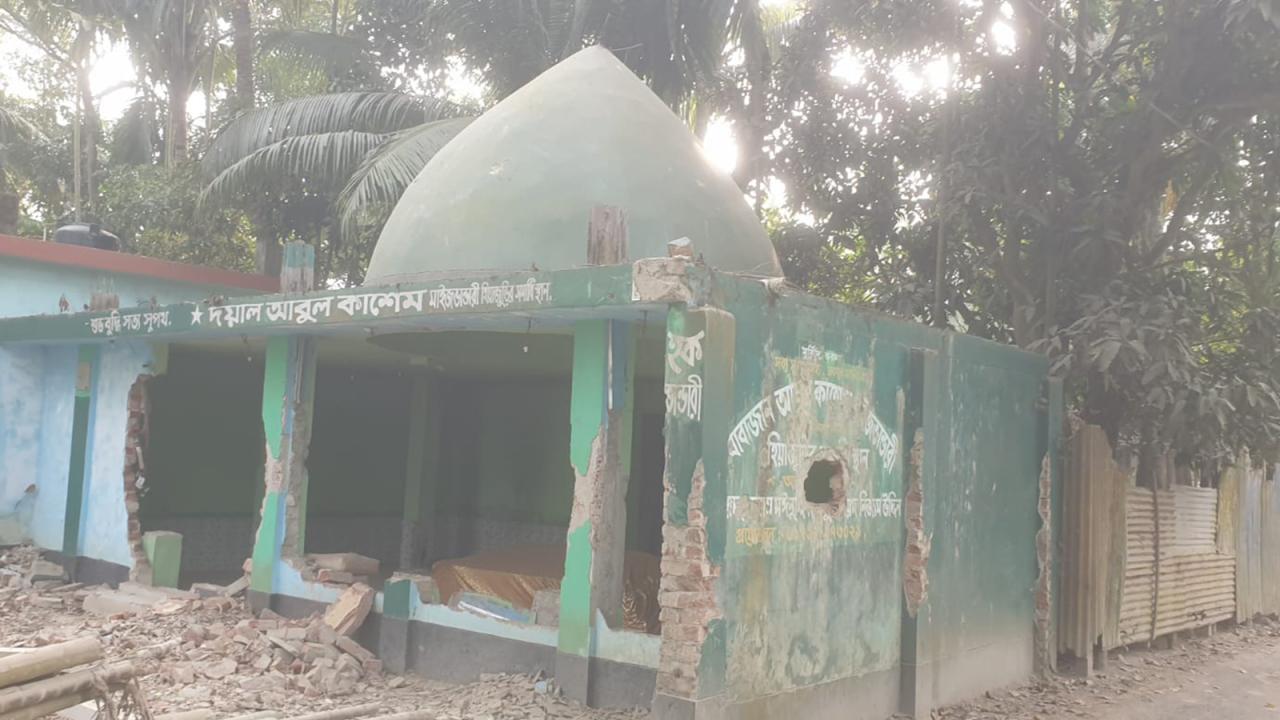
Chan Miya Fakir Mazar was attacked and vandalised on 13 September 2024 in Gazipur.
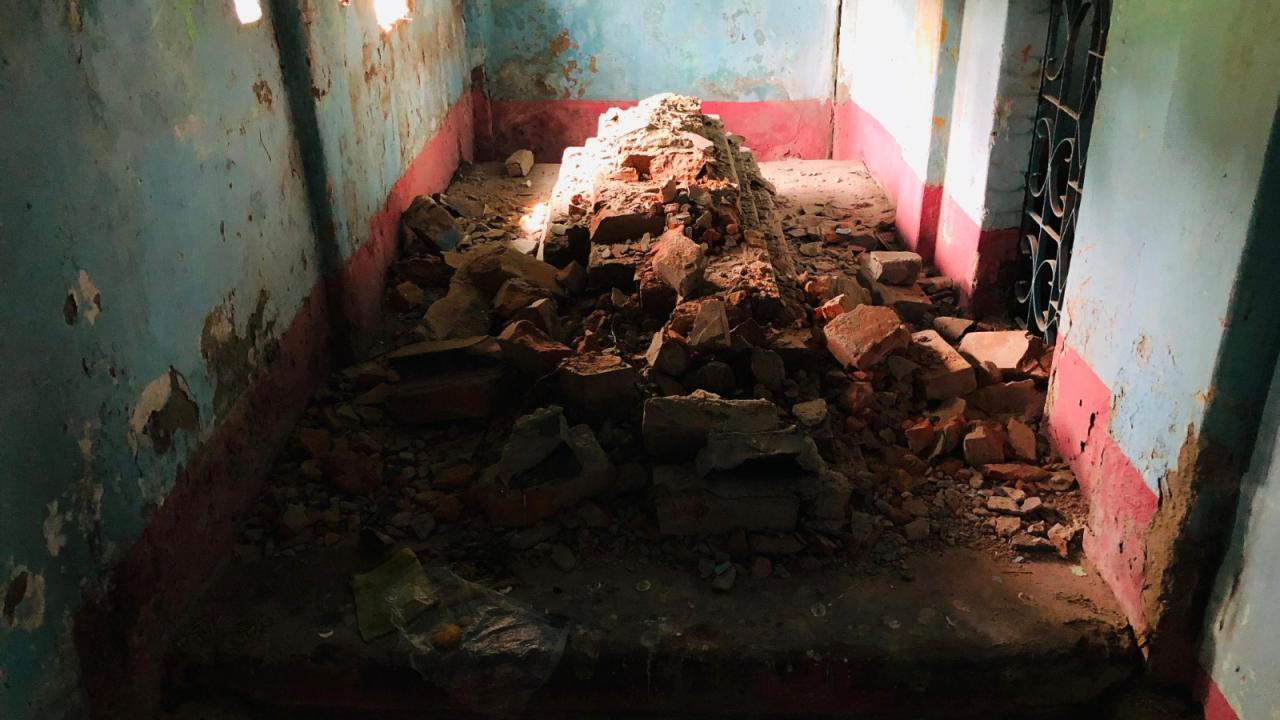
Kappa Paglar Mazar was vandalised on 5 August in Narsingdi.
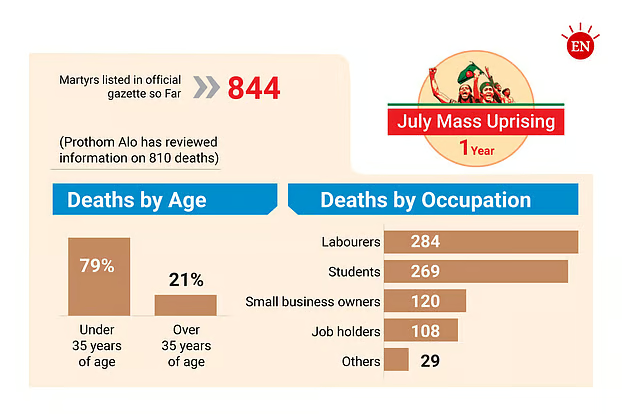
The infographic above shows a list of martrys with highest number of deaths amongst labourers
The weeks following the killings of protesters leading up to 5th August were chaotic and a central leadership can’t be traced for the most part. Sumon, a trans and indigenous interviewee, still felt that a lack of leadership and organizing from queer people was disappointing. The idea of a democratic Bangladesh free of discrimination should’ve ideally included conversations about and demands for queer rights that did not come to the forefront.
According to this report from the Dhaka Tribuen, two Chhatro Dal students were expelled from their halls for alleged homosexual activity.
As a mass movement set off by many who belong to the working class and minoritized communities, there was hardly any political participation from the aforementioned fragments of Bangladeshi society.
Jahan tells us what they have witnessed in terms of participation in Jatrabari at the time that drove out BCL and AL leaders
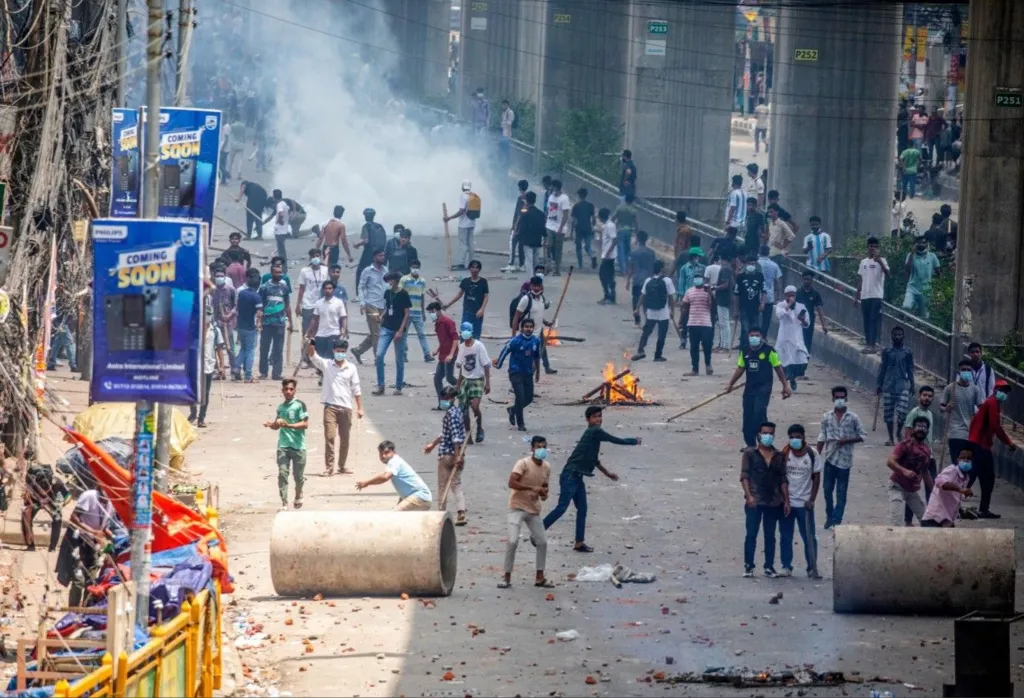
Jahan also mentions that a huge number of women, who were at the front of processions in the streets were there to be used as protective shields and in the post-July scenario they were conveniently excluded from participating politically.
Coordinated bot activities, targetted yellow journalism from news media on Facebook, Youtube and other digital platforms and various right leaning parties disseminating mass consent online are being used to harass women and other marginalized genders.
have transformed Bangladesh’s digital landscape into a territory of fear and hate mongering for women and other marginalized genders.