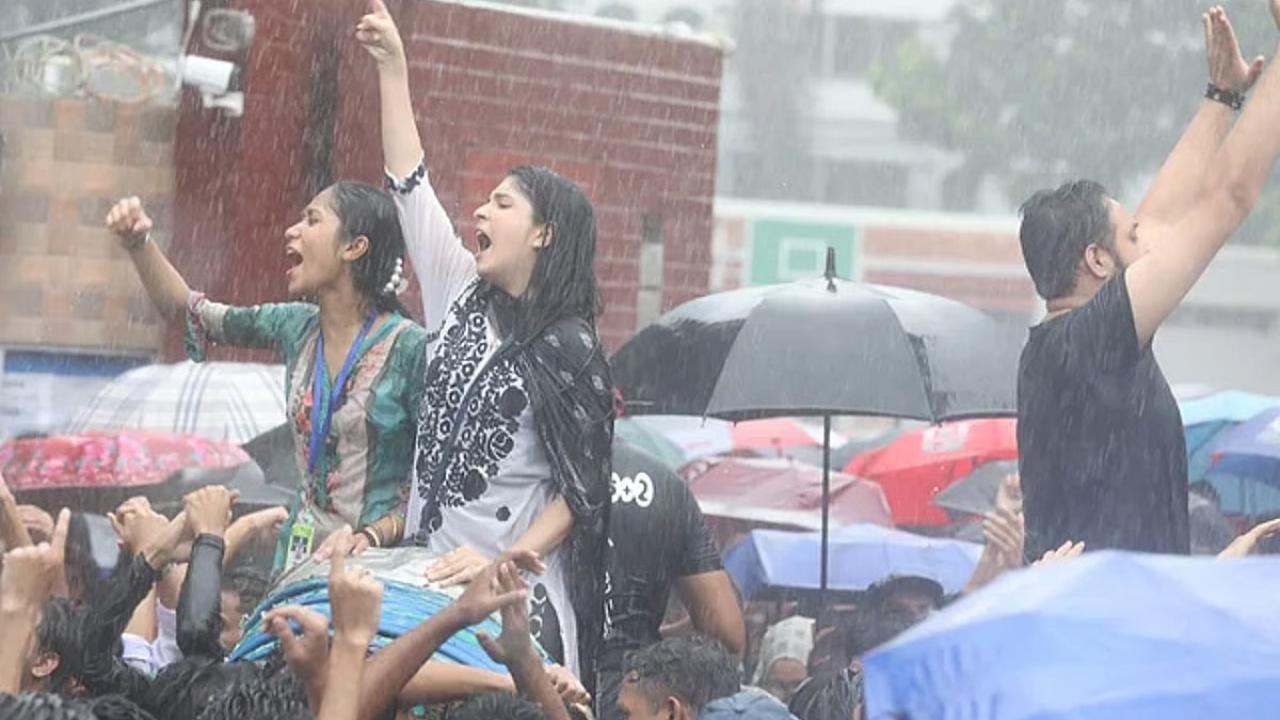
After two years of the July uprising we want to look back at how women’s participation influenced movement building, organising and sustenance up until the ousting of the former Prime Minister. We also want to capture how crucial women’s participation was in the uprising which has since been downplayed, erased or exploited.
The July Uprising, a landmark moment in the history of South Asia, saw mass mobilization, confrontation with authorities and law enforcement and severe state repression. At the center of it were women’s voices, cries and demands for a Bangladesh free of discrimination.
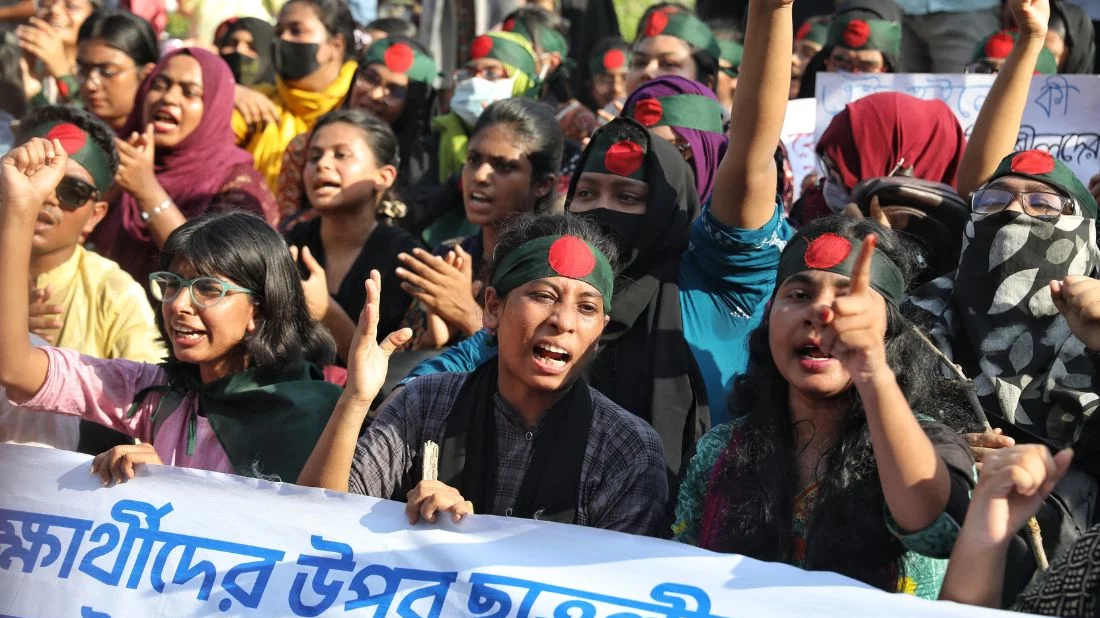
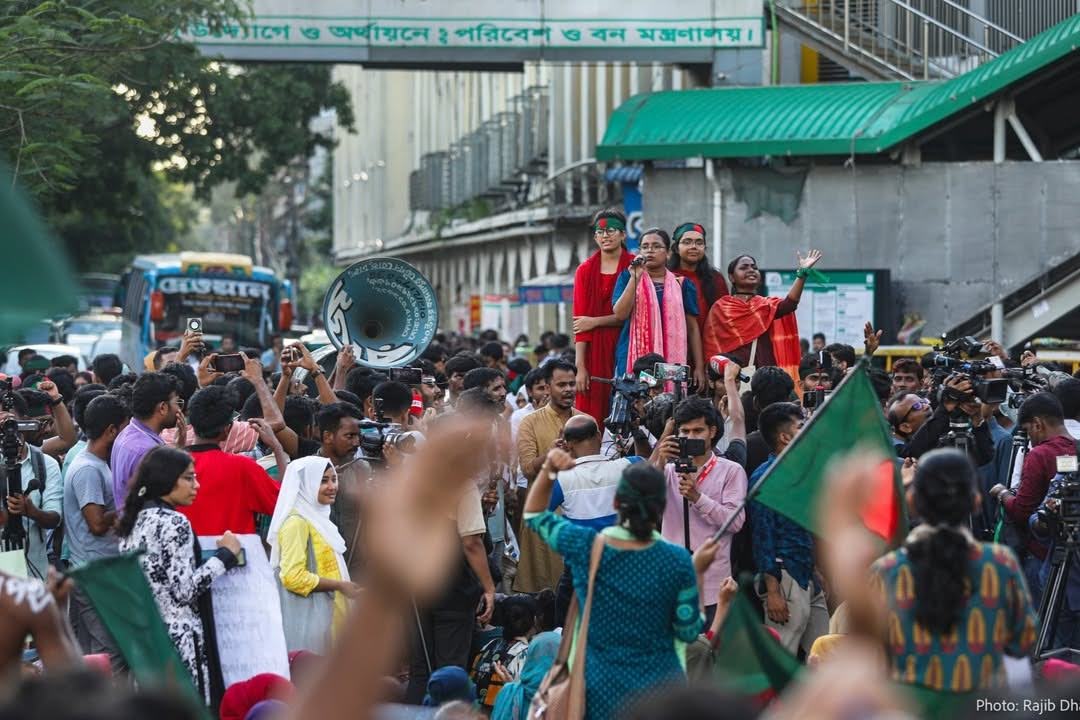
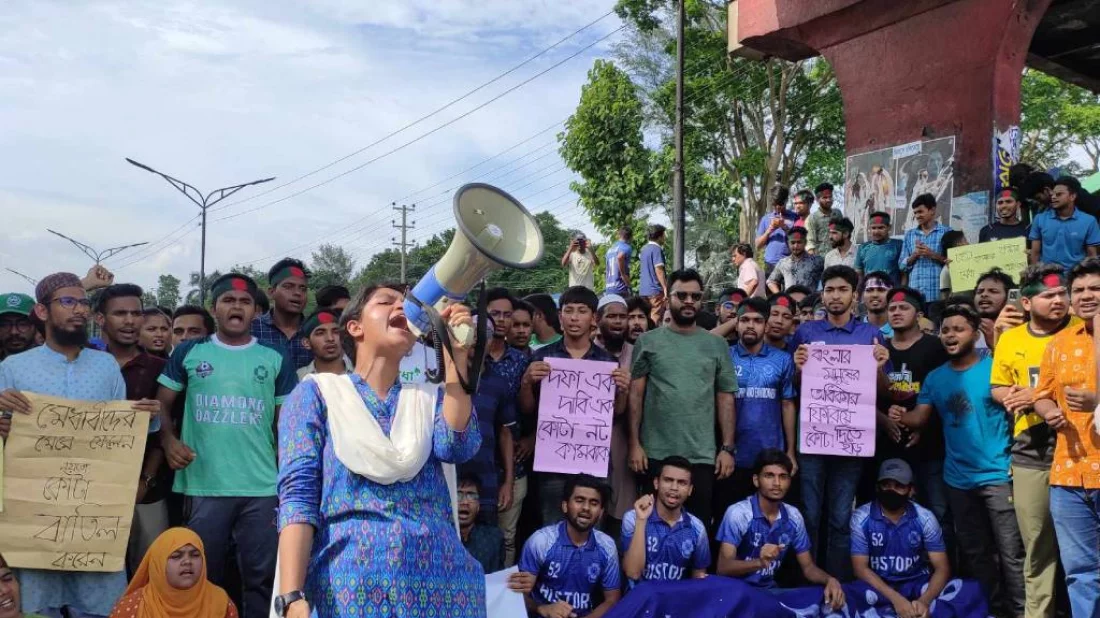
Students of Dhaka University protesting on 13th July 2024
Kona (pseudonym), one of our interviewees and a student leader from a left leaning party, strongly rooted for quota reform and took part in the movement from that ideological standpoint. She went to the protests to ensure that women’s voices were present and loud. She and some of her friends became role models for other female students from their university whom they encouraged and who gradually joined the movement as well. Together they faced various tagging from the then government labelling them as “terrorists” and “Shibir” but they moved with their demands indomitably.
Consistent organising from these female student leaders eventually led other female students from every single hall to attend the protests.
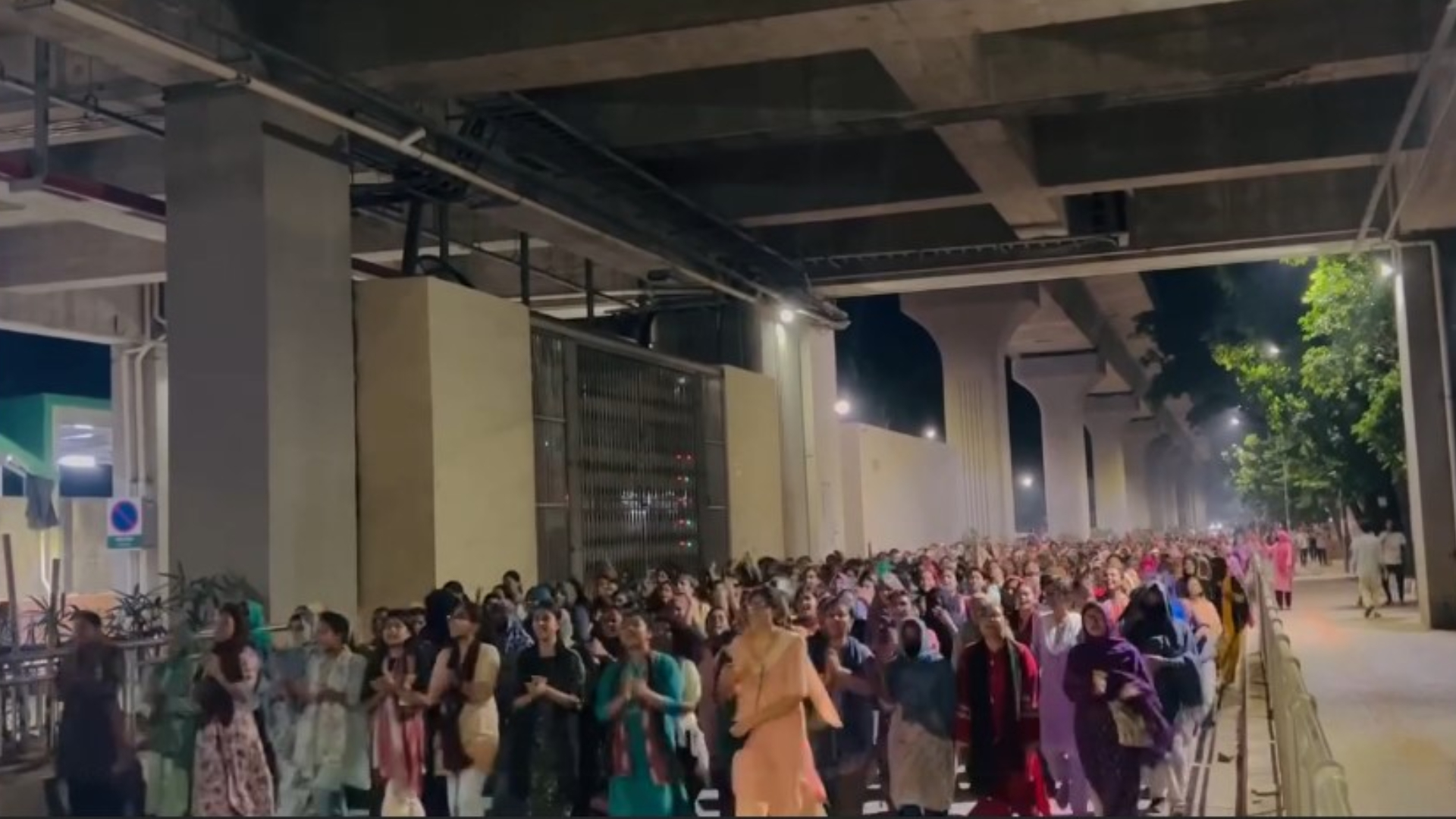
Kona recalls that one of the most iconic moments that sparked this movement was when the ousted Sheikh Hasina labelled them as “children of war criminals” (রাজাকারের বাচ্চা). The collective spirit that was felt as a result of this statement on 14th July caused many female student from Dhaka University halls to break open their gates and take to the streets in unison.
Like many of our interviewees, Kona expressed that at one point during the rule of the previous regime, the government body seemed infallible. However, this movement changed that idea for her.
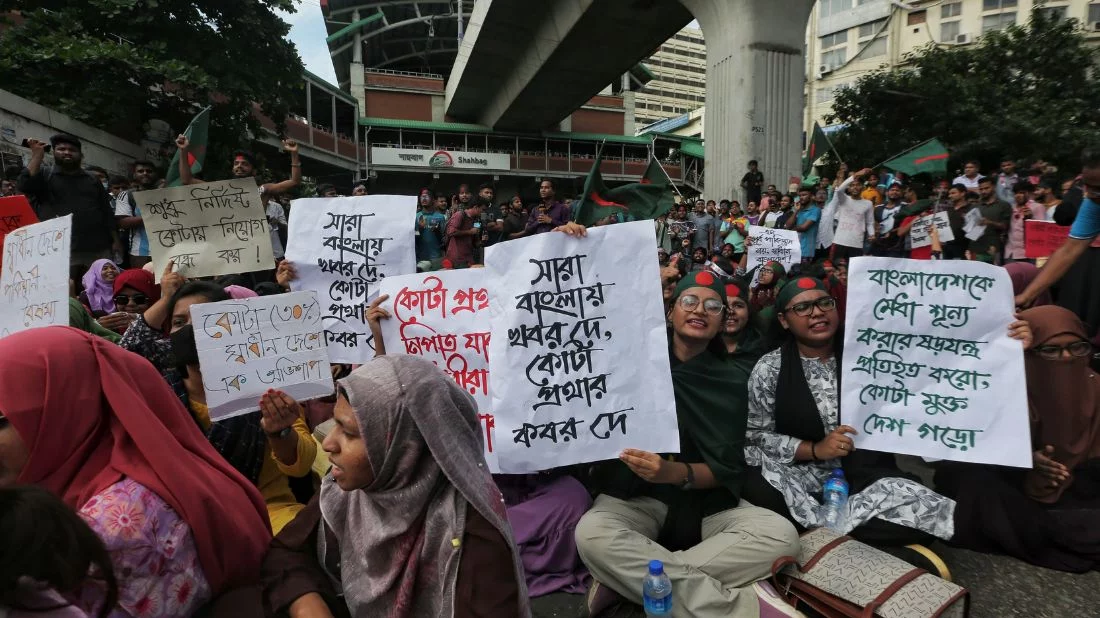
Dhaka University students protesting for cancelling the quota system in government jobs in Dhaka on Sunday, July 7, 2024. Photo: Ahadul Karim Khan/Dhaka Tribune
According to Kona, the blockades were successful because of women’s sustained and persistent programmes including sit-in from where they demanded quota removal.
On 15th July, Bangladesh Chhatro League members violently attacked students from Dhaka University and Jahangirnagar University in retaliation to their protests. Right after, the atmosphere had changed and various protesters would show up and take stand in their respective areas and campuses based on pre-decided discussions in group chats and organizing groups because they were determined to press on.
After the internet shutdown, Kona mentions that most of their communications and strategies were discussed over phone calls. They were also looking for other safer digital methods to communicate from fears of mass surveillance. By then the quote reform movement had become a state reform, anti-discrimination movement.
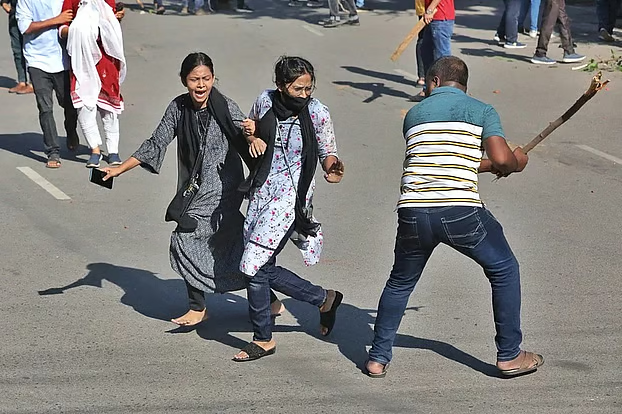
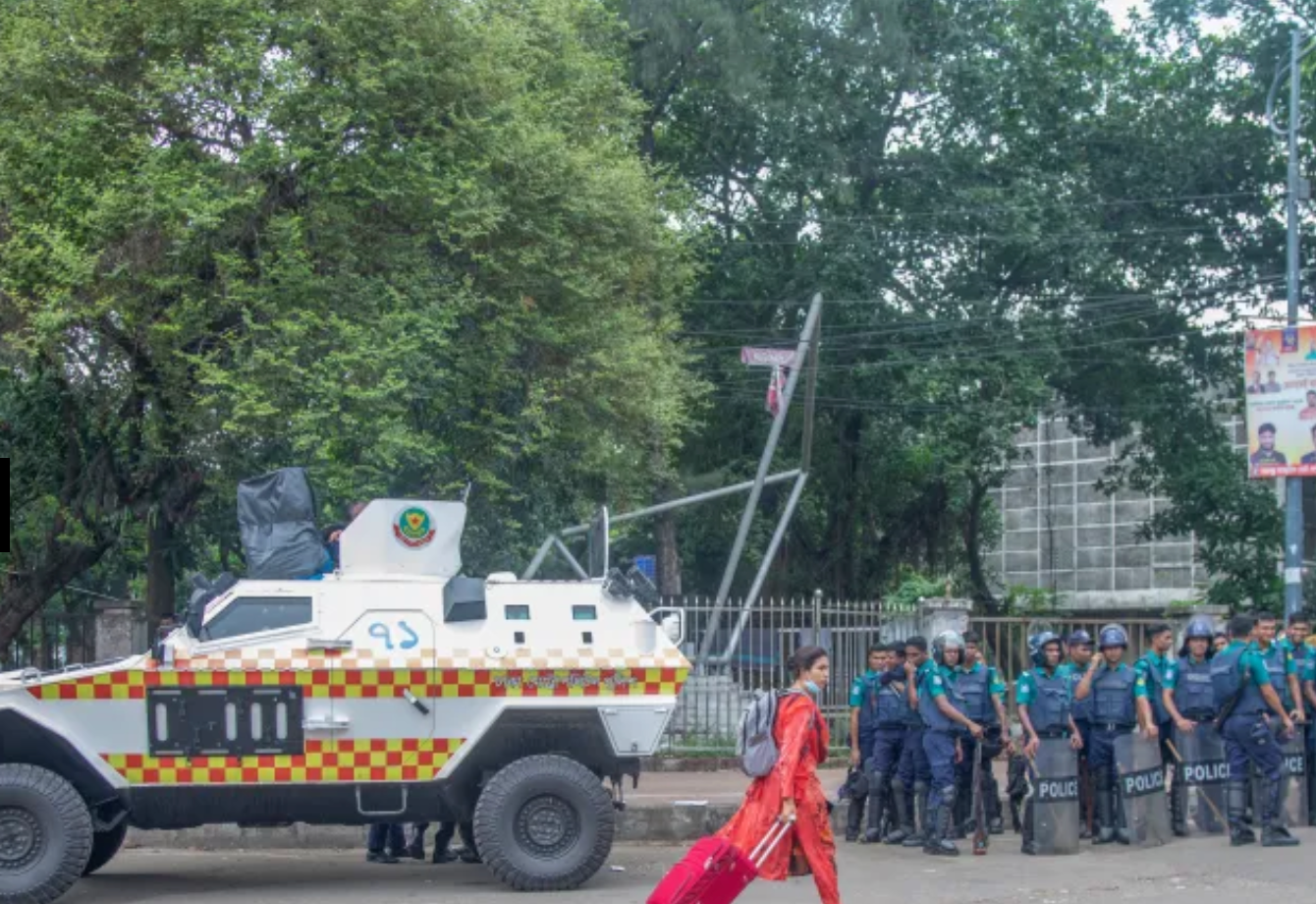
Women in these protests in July faced significant challenges but they moved onwards with grit and patience, according to Kona. In fact, after the organizers of Students Against Discrimination were taken by DB police, women fiercely held their ground and took the movement forward.
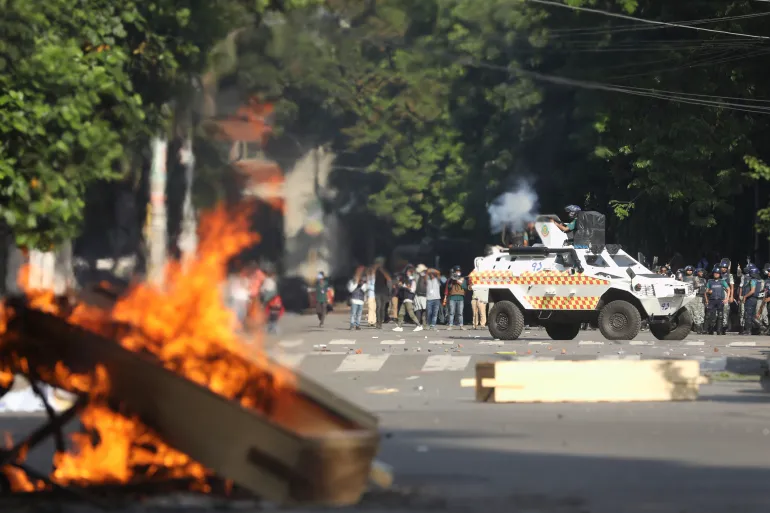
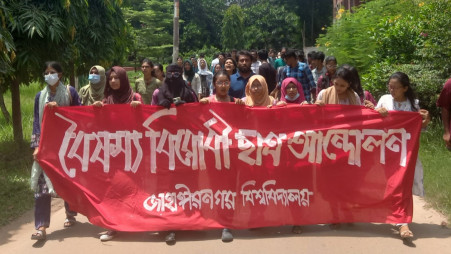
The image shows a glimpse of the anti-quota movement program staged by the students of Jahangirnagar University (JU) on Monday, July 8, 2024. Photo: Dhaka Tribune
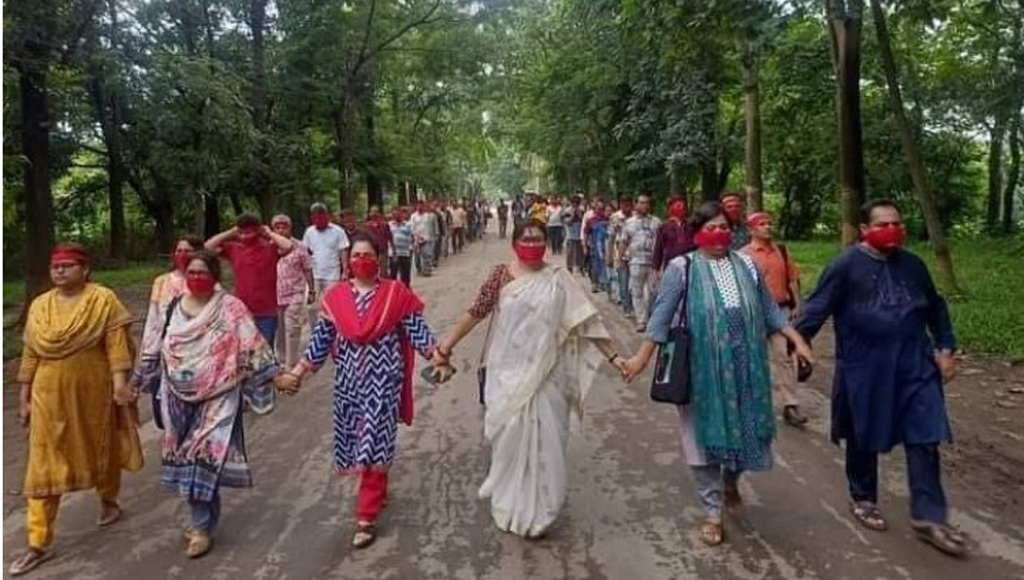
Students bring out protests in Jahangirnagar University on 31 July 2024. Photo: TBS
The exclusion of women after the uprising was strategic in order to take away their agency.
In her interview, Kona says, with a heavy heart that authentic female leadership got lost somewhere after the movement and she blames men who competed to grab power and become the face of the uprising. “They were made national heroes deliberately and they were all men,” says Kona. Female leadership was neither credited nor mentioned and eventually got lost from the main political discourse. Some of the female leaders also sided with these so-called heroes and were able to hold their position of power as an uprising leader.
Post-uprising, Kona notes that only male student representatives were at the forefront as if women were not a part of the movement at all. The men sat at the center of power but did not have any anti-discriminatory intention at heart and did not think about the inclusion of women or their participation in political decisions after 5th August.
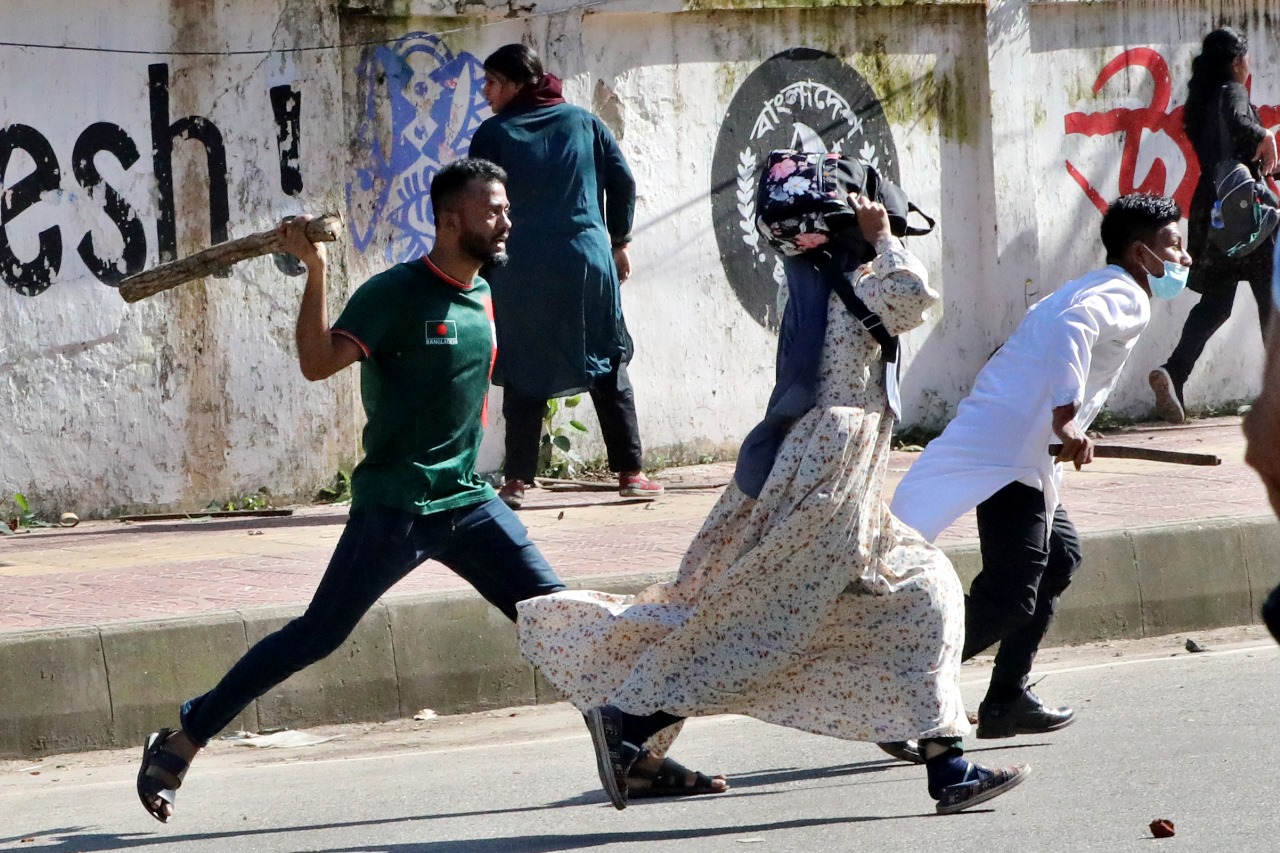
Ishan shares his views on how women were discredited, sildelined, slutshamed and targeted post-July.
Derogatory tags including calling women “Shahbagi” skyrocketed and women faced constant harassment and targeting online. Women who were part of the uprising and were at the frontlines were not spared and this was especially so for those who were vocal about progressive and left-leaning values.